AI Fantasy Portrait Generator: How to Make Cinematic Portraits of Yourself
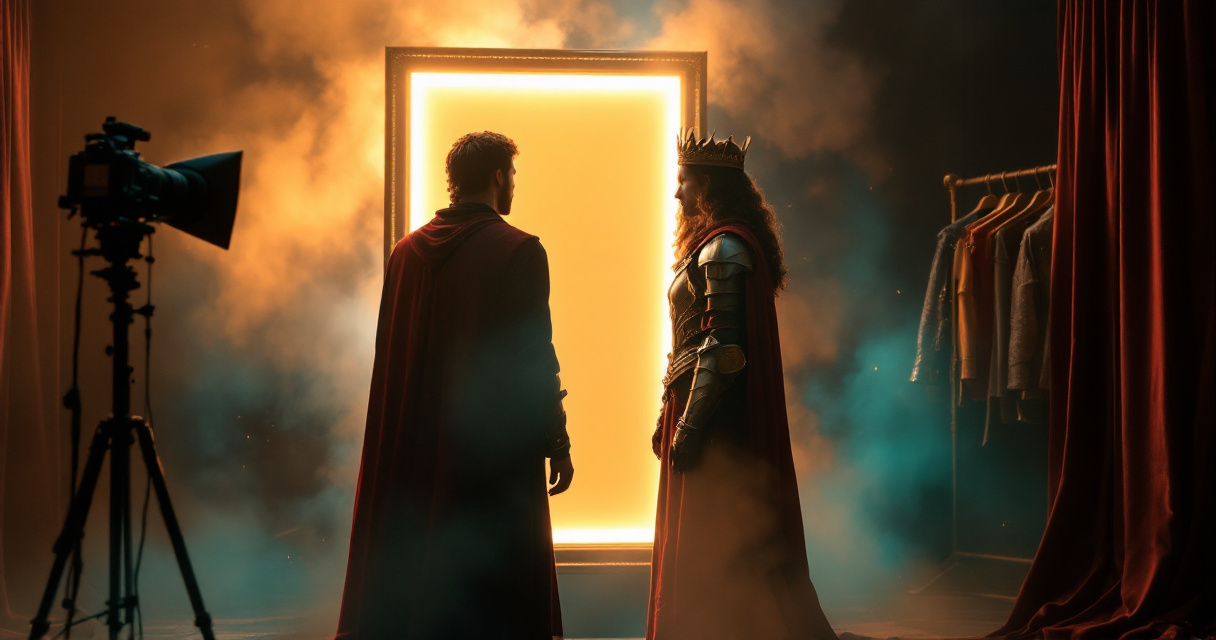
The best fantasy portrait does not look like a random elf, queen, knight, or space rebel; it still looks like you. An AI fantasy portrait generator uses synthetic media, meaning digital content automatically produced or altered by AI, to create stylized portraits from text, reference images, or a trained personal model. With HotphotoAI, users upload 15 photos, train a private face model, and generate fantasy, glamour, dating, lifestyle, and model-style images that keep their real facial identity intact.
What is an AI fantasy portrait generator?
An AI fantasy portrait generator is a tool that creates fantasy-style portraits from prompts, uploaded photos, or a trained personal face model. In 2026, the strongest results come from combining identity training, style prompts, outfit details, lighting direction, and scene control so the image feels imaginative but still recognizable.
Fantasy portrait generator: A personal image tool that turns a real face or described character into a stylized portrait, often using themes like royal court, dark academia, sci-fi, mythic warrior, luxury villain, or editorial fairy tale.
Research on generative image systems has moved quickly. A 2024 ACM survey by Gaurang Bansal, Aditya Nawal, and Vinay Chamola examined the role of generative AI in modern image creation, including how models synthesize new visual content from learned patterns in multimedia generation. Earlier work by Nisha Huang, Fan Tang, and Weiming Dong explored multimodal guided diffusion for diverse digital art synthesis at ACM Multimedia 2022.
Core inputs and outputs compared
| Input type | What it controls | Best use |
|---|---|---|
| Text prompt | Outfit, mood, setting, lighting, genre | Building a full fantasy scene |
| Uploaded selfies | Face shape, expression range, identity | Creating portraits of yourself |
| Reference photo | Pose, framing, clothing direction | Matching a desired look |
| Style preset | Color palette, art direction, finish | Fast cinematic or editorial results |
Key insight: fantasy portraits feel more premium when the AI is asked to style your face, not replace it with a generic character.
How do I make fantasy AI portraits of myself?
To make fantasy AI portraits of yourself, use clear face training photos, choose a specific visual theme, write prompts with identity-safe details, generate several variations, then edit the best images for lighting, outfit, and background consistency. A private face model usually gives more personal results than text-only generation.

A good workflow starts with variety. Use front-facing, angled, smiling, neutral, indoor, and outdoor photos so the model understands your face across lighting and expression changes. The HotphotoAI platform is built around this personal-model approach, then lets you create prompt-based and reference-based images for fantasy, glam, dating, and lifestyle looks.
A simple fantasy prompt formula
Use this structure when you want results that look intentional instead of random:
- Identity anchor: "realistic portrait of me" or "same face and facial features."
- Role: "royal sorceress," "cyberpunk prince," "desert empress," "moonlit vampire aristocrat."
- Wardrobe: fabric, armor, jewelry, cloak, dress, suit, boots, or gloves.
- Setting: castle balcony, neon city, enchanted forest, opera house, spaceship corridor.
- Lighting: soft cinematic light, rim light, candlelight, golden hour, moonlight.
- Camera style: 85mm lens, shallow depth of field, magazine cover, close-up portrait.
- Realism guardrail: realistic skin texture, natural eyes, believable hands, high-detail face.
Example prompt: "Realistic portrait of me as a velvet-cloaked royal strategist in a candlelit palace library, emerald jewelry, soft cinematic lighting, 85mm lens, natural skin texture, confident expression, editorial fantasy photography."
For fast iteration, create three versions of the same idea: one close-up, one half-body, and one environmental portrait. Visit hotphotoai.com when you want to test personal fantasy prompts against a model trained on your own photos.
Which fantasy styles work best for profiles and creator content?
The best fantasy styles for social profiles are cinematic, recognizable, and easy to understand at thumbnail size. Royal, sci-fi, luxury villain, cosplay-inspired, and editorial fantasy portraits work especially well because they communicate mood quickly without needing a caption to explain the concept.
Not every fantasy image belongs on a dating profile or creator page. A subtle royal portrait can feel stylish on Instagram, while a full monster transformation may work better for gaming, roleplay, book marketing, or fan communities. Match the style to the platform and the message you want to send.
Fantasy style ideas by use case
| Style | Visual cues | Best channel | Prompt angle |
|---|---|---|---|
| Cinematic hero | Dramatic light, sharp jawline, atmospheric background | Instagram, TikTok covers | "movie poster portrait, heroic mood" |
| Royal court | Velvet, gold, jewels, palace interiors | Dating apps, profile banners | "modern royal editorial portrait" |
| Sci-fi commander | Metallic suit, neon rim light, spaceship setting | Gaming, creator pages | "futuristic captain, realistic face" |
| Luxury villain | Black tailoring, shadows, expensive room | Social media, fashion content | "elegant antagonist, high-fashion lighting" |
| Cosplay-inspired | Wig, costume, prop styling | Fan accounts, conventions | "anime-inspired but photorealistic" |
| Editorial fantasy | Couture, surreal set, magazine composition | Portfolio, personal brand | "Vogue-style fantasy fashion shoot" |
Fantasy portraits can also support creator campaigns. A musician might use a moonlit sorcerer image for a single cover concept, while a streamer might create a sci-fi commander banner for a launch week. Research by Barbara Guidi and Andrea Michienzi reviewed the evolution of NFTs and digital ownership models in 2023, showing how digital art formats have become part of broader online identity and creative distribution in Future Internet.
How can you keep fantasy portraits realistic, flattering, and usable?
You keep fantasy portraits realistic by controlling identity, anatomy, lighting, lens style, and output purpose. The goal is not maximum detail everywhere; the goal is a believable image where the face, outfit, pose, and background all look like they came from the same photoshoot.
Small prompt choices make a big difference. "Realistic skin texture" usually works better than "perfect skin." "Cinematic portrait photography" is more usable than "ultra epic masterpiece." Strong images often come from restraint, not from stacking every fantasy word into one prompt.
Realism checklist before you post
- Face match: Does the portrait still look like you at normal phone size?
- Eye quality: Are the pupils, gaze direction, and eyelids natural?
- Hands and jewelry: Do fingers, rings, gloves, and props make sense?
- Lighting logic: Does the light source match the background?
- Wardrobe fit: Does armor, fabric, or tailoring follow the body naturally?
- Platform fit: Would the image feel at home on Tinder, Instagram, LinkedIn, or a creator banner?
Common mistakes include using vague prompts, asking for too many styles at once, ignoring crop size, and choosing images where the face is beautiful but identity is weak. If the portrait is for a dating profile, avoid images that look so fictional that people cannot tell what you really look like.
Prompt words that improve believability
Use phrases like:
- "realistic portrait photography"
- "natural skin texture"
- "same facial features"
- "believable fabric folds"
- "soft cinematic lighting"
- "subtle fantasy styling"
- "high-end editorial portrait"
Best practice: generate fantasy portraits in batches, then select for identity first, style second, and background last.
What should creators expect from fantasy portrait tools in 2026 and 2027?
Fantasy portrait tools in 2026 are shifting from one-off text images toward personal visual identity systems. The next step is tighter control over the same face across outfits, poses, campaigns, and short-form video, making fantasy portraits more useful for creators, dating profiles, and personal branding.
Current tools already support prompt direction, reference matching, and style presets. The practical advantage in 2026 is speed: you can test royal, sci-fi, glamour, and lifestyle concepts without booking a studio, buying costumes, or waiting for retouching. That makes fantasy portrait generation useful for experimentation, not only final images.
By 2027, expect more demand for:
- Consistent character identity across image sets.
- Video-ready portraits for reels, avatars, and motion banners.
- Better wardrobe control for fabric, fit, and styling accuracy.
- Private model management with clearer deletion and privacy options.
- Hybrid realism that blends fashion photography with fantasy art direction.
The strongest use case will not be replacing real photos. It will be expanding your visual range. With HotphotoAI, that might mean generating a fantasy portrait pack for social content, then using one-click edits to adjust backgrounds, outfits, or lighting for different platforms.
FAQ: AI fantasy portraits in 2026
Can I make fantasy portraits from regular selfies?
Yes. Regular selfies can work if they show your face clearly across different angles, lighting conditions, and expressions. For best results, avoid heavy filters, sunglasses, extreme shadows, and duplicate poses. A trained personal model can use those photos to create fantasy images that preserve your face more accurately than a text-only prompt.
Are fantasy AI portraits good for dating apps?
They can be useful if you use them carefully. A subtle cinematic or royal-inspired portrait can add personality, but your profile should still include realistic everyday photos. For dating, fantasy images work best as one creative photo in a larger set, not as the only way someone sees you.
What is the best prompt for a realistic fantasy portrait?
The best prompt combines identity, role, outfit, setting, lighting, and realism cues. A strong example is: "realistic portrait of me as a royal explorer in a moonlit greenhouse, tailored dark coat, silver details, soft cinematic lighting, natural skin texture, 85mm lens, confident expression." Keep it specific but not overloaded.
Do I need art skills to create fantasy portraits?
No. You do not need drawing or design skills, but you do need clear direction. Think like a photographer or stylist: choose the mood, outfit, background, and lighting before generating. Prompt templates, curated packs, and reference images can help you get polished results faster.
Conclusion
A great fantasy portrait should feel like an elevated version of you: recognizable face, bold styling, and a world that matches the mood. Start with one clear concept, use the prompt formula above, generate multiple crops, and judge each image by identity, realism, and platform fit. If you want personalized fantasy portraits trained on your own face, head to hotphotoai.com and create a small batch around one theme first, such as royal editorial, sci-fi commander, or cinematic villain.