Best AI Portrait Generators for Plus Size People in 2026
TL;DR
Choose a portrait generator by how faithfully it preserves your proportions, face, and clothing, not by its prettiest sample image. Start with the shortlist below, then score a small batch before paying for more; these are evaluation candidates, not tested winners.
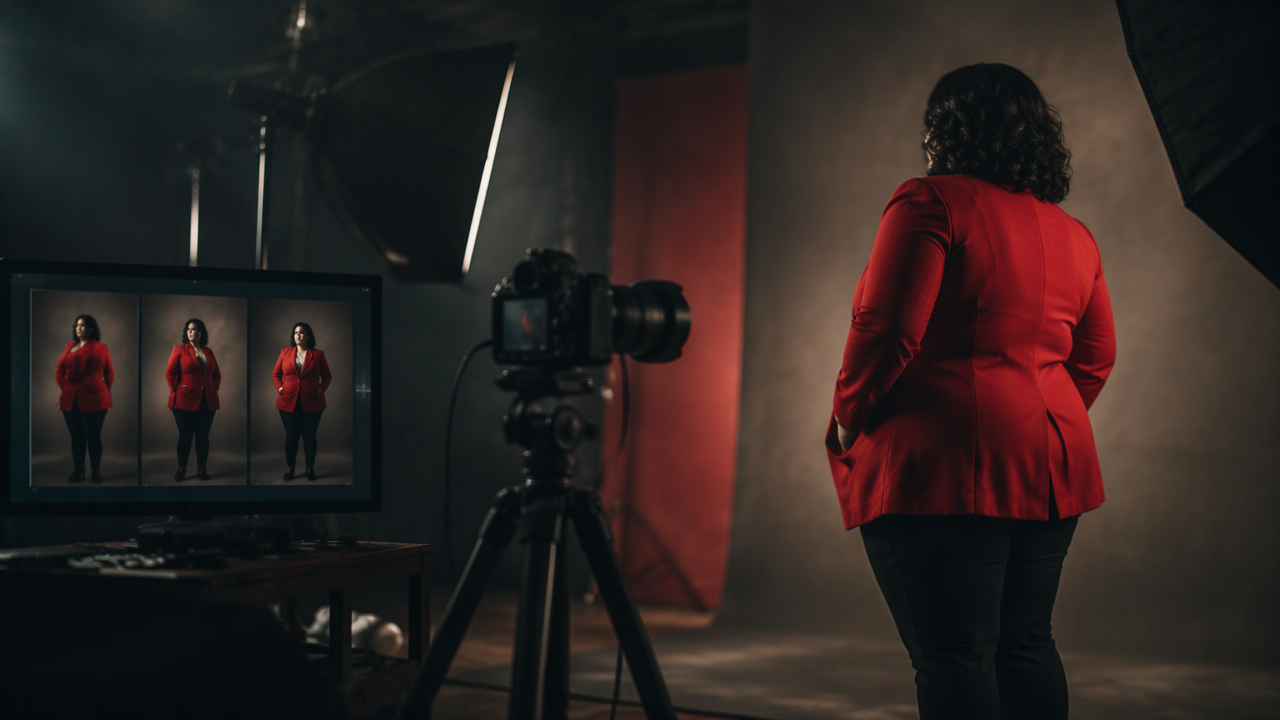
Your body belongs in your portrait, not on an AI's editing-room floor. The best AI portrait generators for plus size people should preserve recognizable proportions while giving you room to experiment with outfits, lighting, and settings. For personal-image inspiration, HotphotoAI is a portrait-focused starting point for dating, social, and stylized profile pictures.
Plus-size AI portrait generator: An AI image tool used to create personal portraits depicting larger bodies, ideally while preserving the subject's actual proportions and facial identity. Plus-size isn't one universal silhouette or clothing size.
Table of Contents
Which AI portrait generators belong on your shortlist?
The most useful shortlist combines personal-portrait services with general image generators, then compares their results against your own reference photos. I wouldn't name a body-accuracy winner from the supplied research: it contains no consenting-tester results, comparable output batches, or verified performance scores.
Five candidates and their evaluation roles
The table identifies options to investigate, not a performance ranking; availability, features, and terms need checking before purchase.
| Candidate | Why consider it | What to evaluate |
|---|---|---|
| HotphotoAI | Portrait-focused starting point for personal-image goals | Likeness and proportions across your chosen looks |
| Midjourney | General image-generation candidate mentioned in the research | Whether styling choices preserve your silhouette |
| Stable Diffusion | General image-generation candidate mentioned in the research | Results from the specific model and workflow used |
| FLUX 1.1 Pro Ultra | Realistic-portrait candidate surfaced in the research | Body accuracy alongside photographic appearance |
| PixaryAI | Plus-size model option described in the research | Whether its photo-to-video focus fits your portrait needs |
Who should pick which approach?
I recommend a portrait-focused service when your goal is a recognizable dating or social profile image. Consider a general generator when experimenting with fictional scenes matters more than producing a dependable likeness. Treat video-oriented tools as a separate category if you only need still photos.
Don't assume a tool that generates attractive plus-size models can recreate your body. Representation and identity preservation are different jobs.
How HotphotoAI handles this
HotphotoAI fits this task as a personal-portrait option for people seeking glamour, lifestyle, or profile-ready images without arranging a traditional photoshoot. I would frame the creative brief around recognizable identity and intentional styling, with body proportions treated as part of the subject rather than an aesthetic setting.
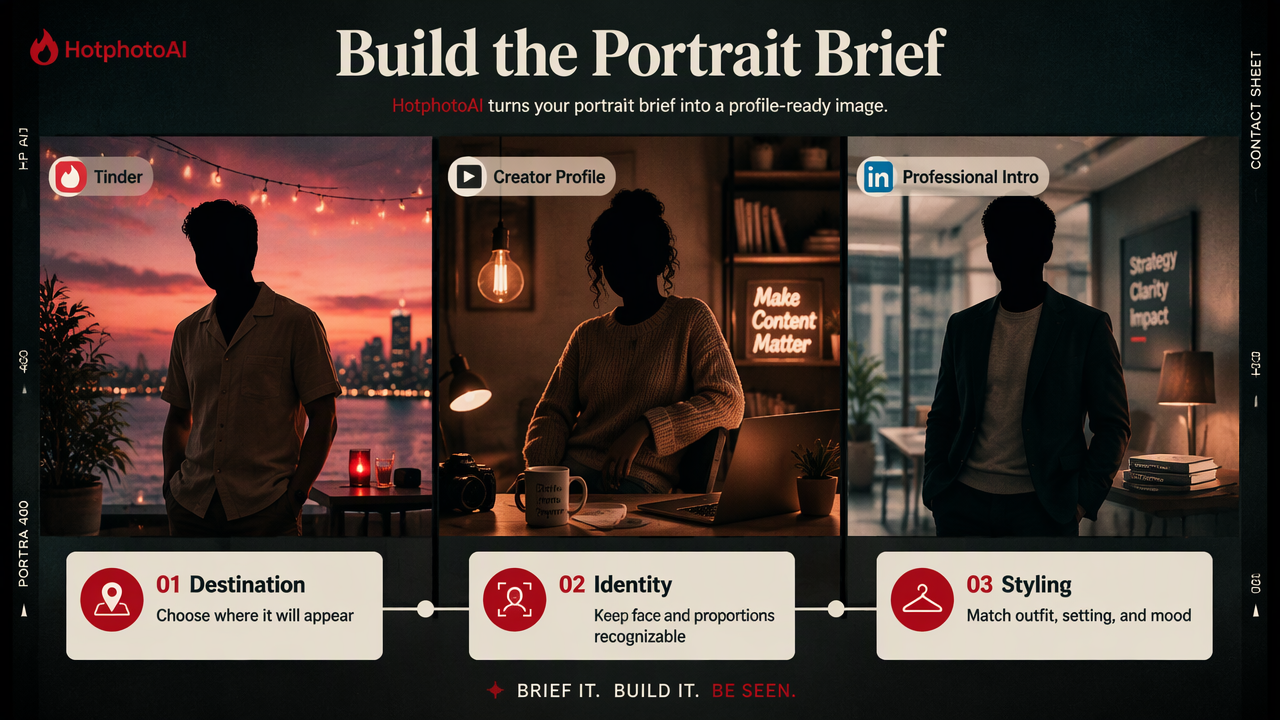
A useful brief names the destination first: Tinder, a creator profile, or a polished professional introduction. Then choose the outfit, setting, and mood that belong there. A dating portrait and a fantasy editorial don't need the same creative direction.
- Dating profile: A relaxed expression, everyday outfit, and believable setting.
- Creator portrait: A distinctive color palette and styling consistent with your public persona.
- Professional profile: A clear face, simple background, and appropriate wardrobe.
These are recommended briefs, not claims about specific controls or guaranteed results. Visit hotphotoai.com to review the available portrait options and match them to your intended use.
How do you test body accuracy fairly?
- Test body accuracy with adults who explicitly consent to image uploads and comparison.
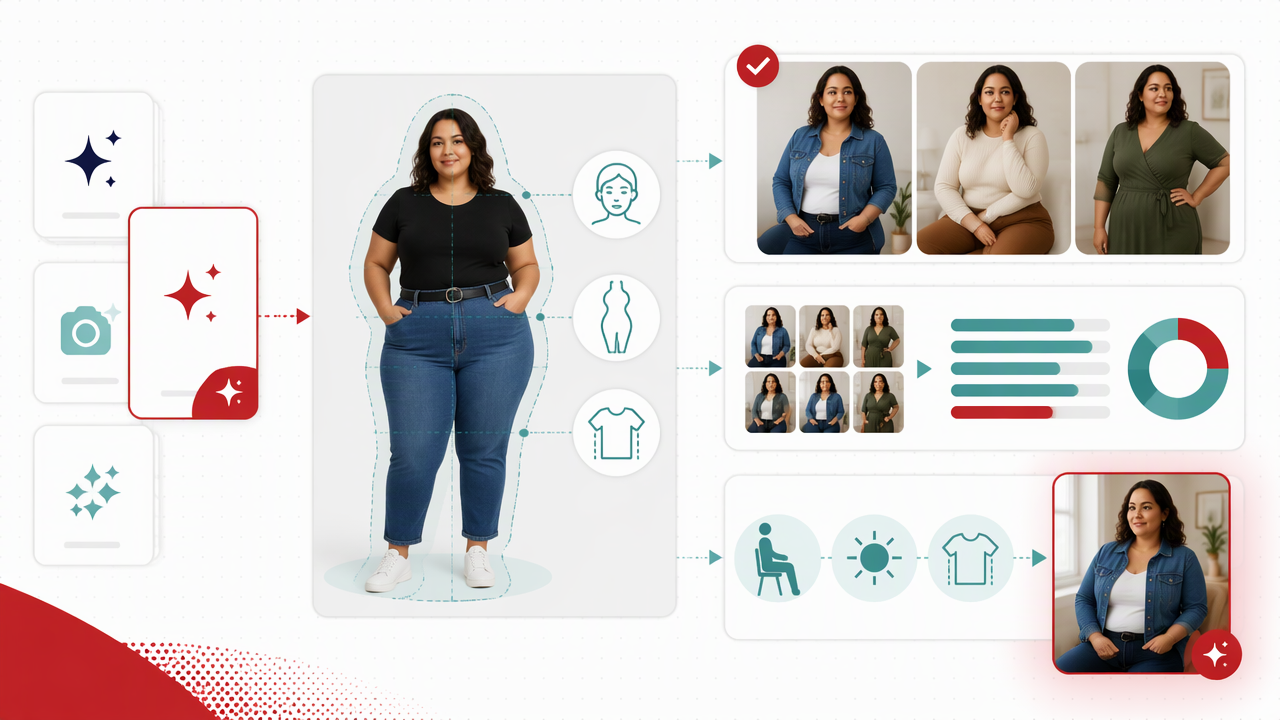
- Use consistent reference photos and equivalent briefs across tools.
- Score proportions, clothing, likeness, and usability separately.
- Keep every output in the denominator.
- Publish the settings, costs, rubric, and tester-approved examples alongside results.
A published rubric for repeatable comparisons
Use this proposed scale consistently: 0 = unusable, 1 = major corrections needed, 2 = minor corrections needed, 3 = ready for its intended use. These are evaluation rules, not measured results.
| Criterion | What testers judge | Evidence to retain |
|---|---|---|
| Body accuracy | Shoulders, waist, hips, arms, and overall silhouette match references | Similar-angle reference comparison |
| Clothing realism | Seams, fabric tension, fit, and folds look plausible | Close views of garment details |
| Facial likeness | Features remain recognizable to the subject | Subject's own assessment |
| Usable outputs | Image meets the intended profile or creative brief | Accepted outputs divided by all outputs |
Let each tester judge their own likeness and proportions. Another person's idea of a flattering body isn't a substitute for consent. Record skin-tone accuracy separately, too, so a strong body score doesn't conceal a different representation issue.
A beautiful image of somebody else is not a successful portrait of you.
For source context, the 2021 creative-industries review by Anantrasirichai and Bull concerns AI in creative industries; WanTeam and colleagues' 2025 paper concerns large-scale video generation. Neither supplied metadata provides plus-size portrait performance results.
How do you prompt for realistic plus-size portraits?
- Prompt for a plus-size portrait by describing the reference person's proportions explicitly.
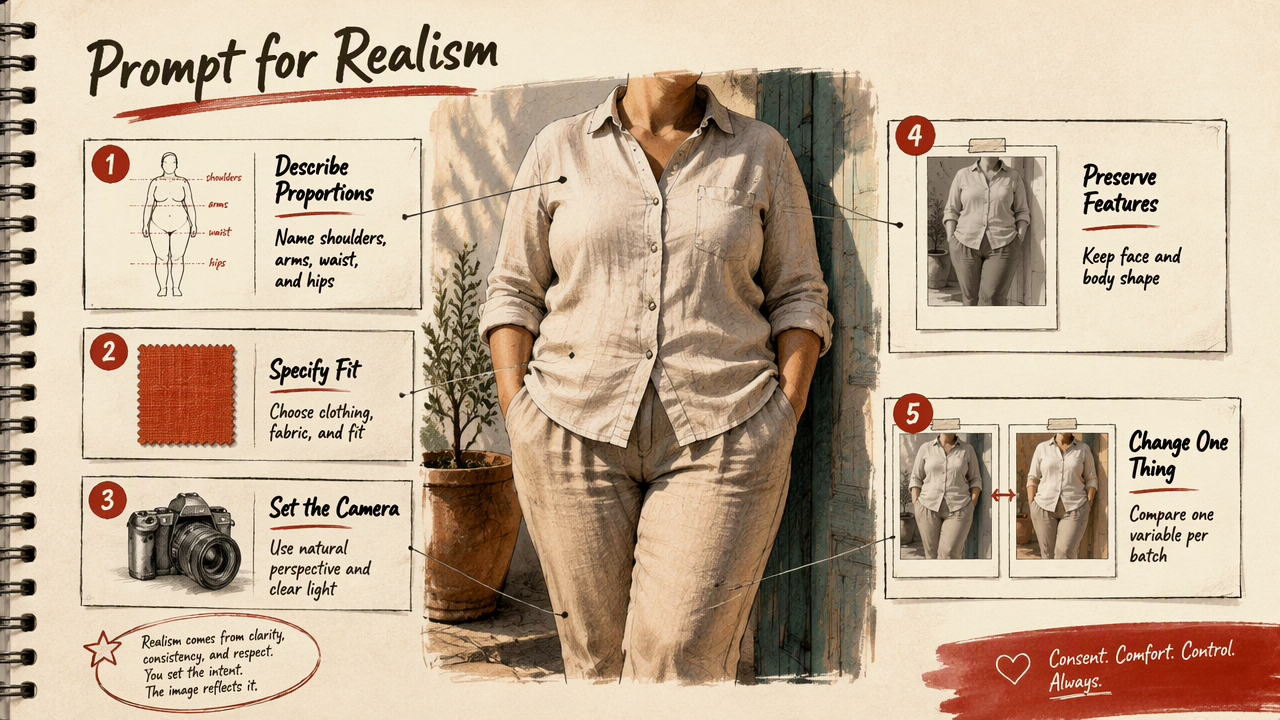
- Specify clothing, fabric, and fit rather than a vague makeover.
- Choose a natural camera perspective and clear lighting.
- Request preservation of facial features and body shape.
- Change one creative variable per batch for easier comparison.
A reusable portrait brief
Example prompt: Create a realistic portrait of the consenting adult in the reference photos. Preserve their facial features, shoulder width, full arms, waist, hips, and overall proportions. Show a relaxed standing pose in a well-fitting linen shirt and straight-leg trousers, with soft window light and a simple café background.
Adapt the body description to the person. Plus-size bodies aren't interchangeable, and a prompt shouldn't turn a size label into a stock character.
Small changes that make evaluation easier
- Use clear, unfiltered references from comparable angles, subject to the tool's upload requirements.
- Include a full-body reference when evaluating full-body results.
- Compare one outfit or background change at a time.
- Keep the original brief so you can reproduce the comparison.
I prefer concrete language such as preserve shoulder width over make me flattering. Flattering is an opinion; shoulder width is something you can actually check.
FAQ: Choosing a proportion-faithful portrait tool
The right choice depends on your intended image, your consent requirements, and the results you can personally verify.
Which generator is best at preserving plus-size proportions?
No supplied evidence establishes a winner for preserving plus-size proportions. I would compare small batches using the published rubric rather than trust promotional samples. A useful result should retain the person's recognizable silhouette, believable clothing fit, and facial likeness, with the subject deciding whether it represents them accurately.
Can I use an AI portrait on Tinder?
Check Tinder's current rules before posting an AI portrait, and choose an image that honestly represents your appearance. I recommend keeping recent real photos in the profile as well. A stylized portrait can express personality, but your profile should help someone recognize you when you meet.
Should I upload full-body photos to an AI tool?
Full-body references can make proportion comparisons more useful, but upload them only after reviewing the service's current privacy and deletion terms. Use your own images or obtain explicit permission from the adult depicted. Check retention, training use, visibility, and deletion options before sharing anything you consider sensitive.
Conclusion
Choose one portrait goal, prepare consenting reference photos, and score a small batch before committing to more. For a portrait-focused starting point, explore HotphotoAI with a clear styling brief. Let better lighting change the mood, not who you are.